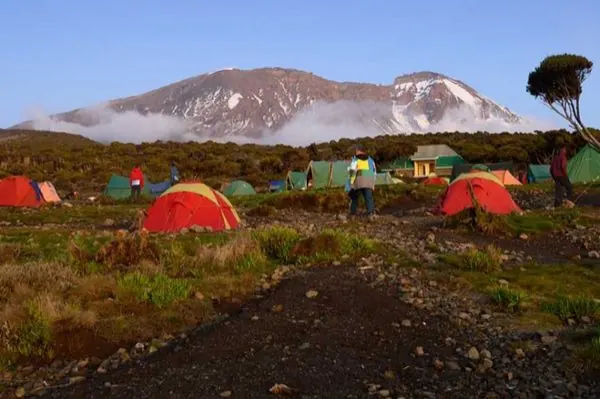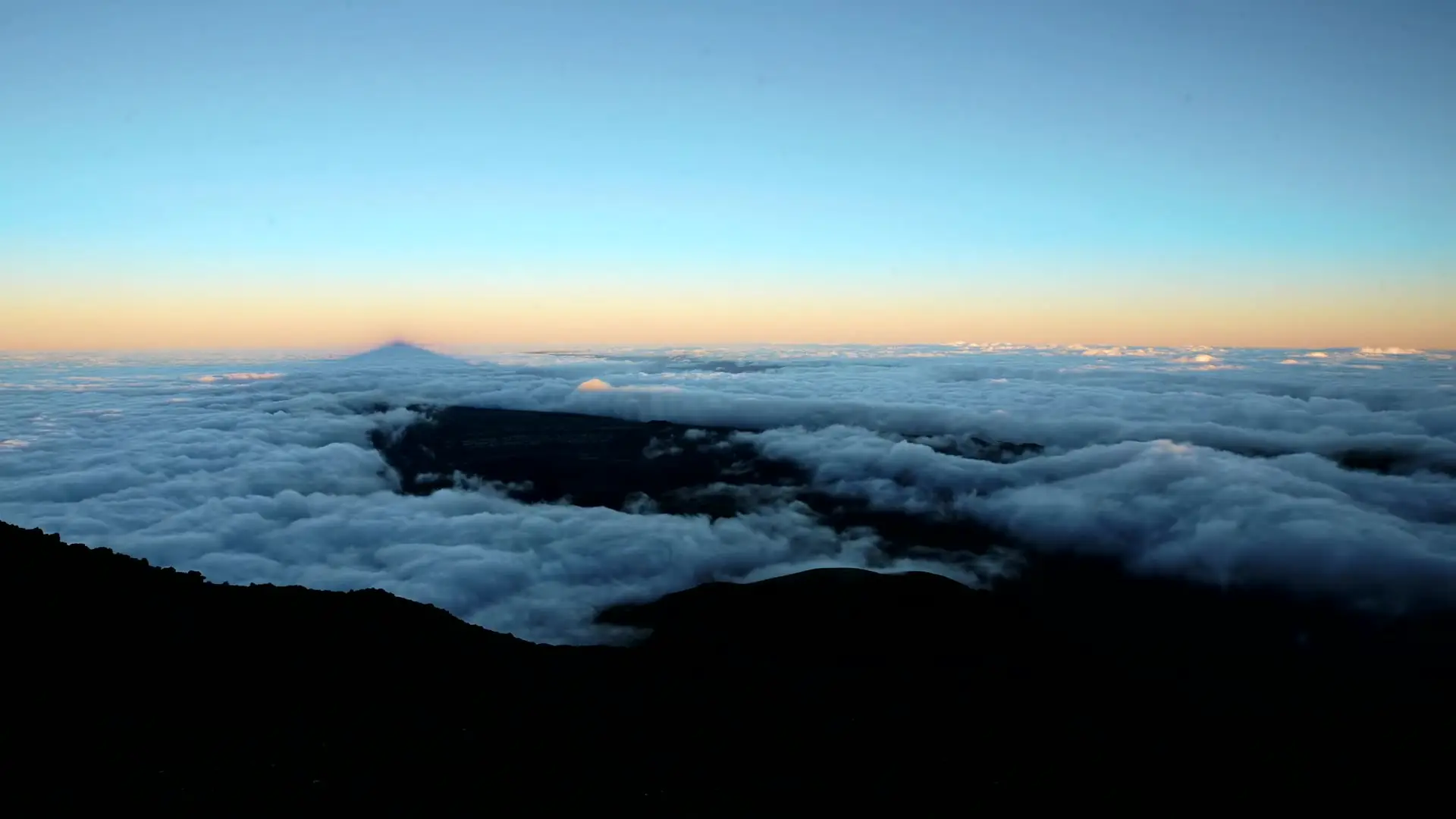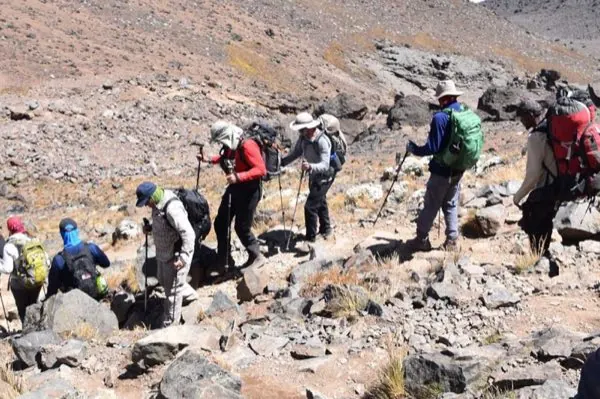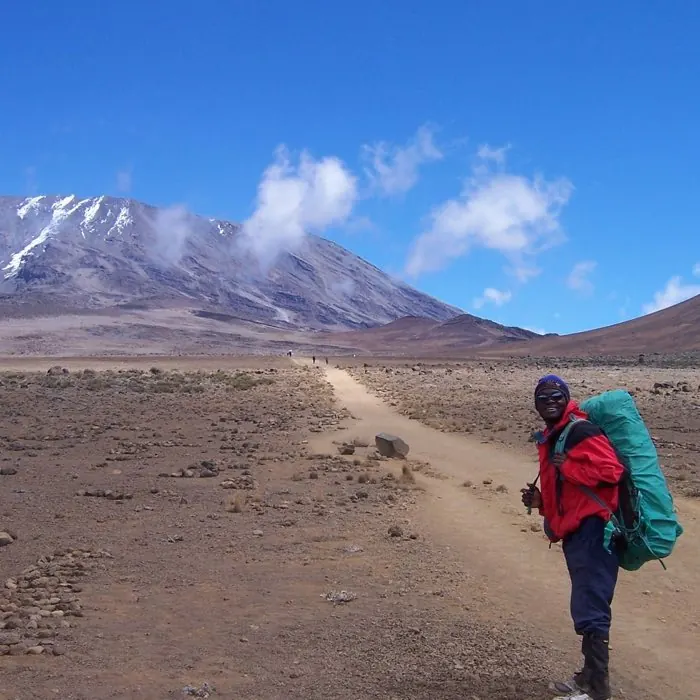
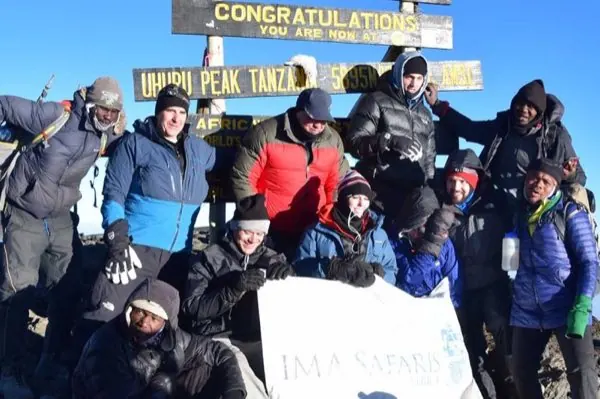
The most useful sentence about training for Kilimanjaro is this: if you can walk in hills all day, and get up the next morning and do it again, you are fit enough. Everything below is how to get there.
Start with time on your feet
Not speed, not distance, time. Build towards a six-hour walk over uneven ground carrying a daypack. Do that a few times and the mountain will feel familiar rather than alarming.
Then do it back to back
One long day is a good sign. Two long days in a row is a better one, because that is what a week on the mountain actually is. A Saturday and Sunday of walking teaches you more than five weekday gym sessions.
Walk downhill on purpose
People train uphill and are then wrecked by the descent. Kilimanjaro comes down fast, and the last day is long. Find a hill and go down it repeatedly until your knees stop complaining.
Wear the boots
Every pair of boots needs breaking in and yours are no exception. Blisters at 4,000 metres are a genuinely trip-shaping problem. The boots you summit in should already have a hundred kilometres in them.
Carry the pack you will carry
Porters carry your duffel. You carry a daypack with water, layers, snacks and a camera, which is heavier than people expect once there is three litres of water in it. Train with that weight.
What matters less
Running fast. Lifting heavy. Altitude tents. Being twenty-five. None of these buy you much on a mountain where the limiting factor is oxygen and patience.
A simple twelve weeks
- Weeks 1 to 4: three walks a week, one of them at least two hours.
- Weeks 5 to 8: add hills. One walk of four hours a week, with a loaded pack.
- Weeks 9 to 11: a back-to-back weekend each fortnight. Five or six hours each day.
- Week 12: ease off. Arriving tired is worse than arriving slightly undertrained.