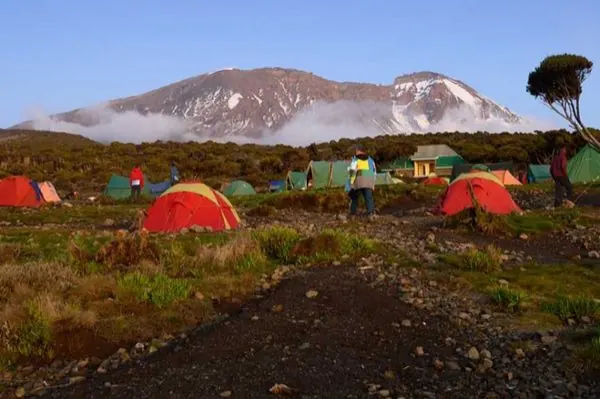
We have a full gear list you can download. This is the reasoning behind it, because a list without explanation is how people end up with the wrong sleeping bag.
The layers, from skin outwards
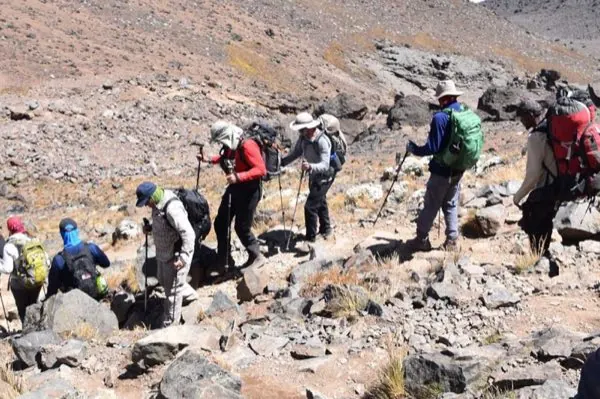
You will walk through rainforest, moorland, alpine desert and arctic conditions in the same week. The answer is layers you can add and shed, not one very warm thing.
- Base layers, merino or synthetic. Never cotton, which holds sweat and then chills you.
- Mid layers, a fleece and a light insulated jacket.
- A serious down jacket for summit night. This is not the layer to economise on.
- Waterproof shell, jacket and trousers, genuinely waterproof rather than showerproof.
The sleeping bag
Rated to at least minus 10, and colder is better. Camps are high and nights are long. If you are borrowing or renting, check the rating rather than trusting the label on the stuff sack.
Feet
Broken-in waterproof boots with ankle support, plus camp shoes so your feet get a break in the evening. More pairs of socks than you think, because dry socks are morale.
Summit night specifically
It starts around midnight and it is cold beyond what most people have experienced. Down jacket, insulated trousers or a second base layer, balaclava, warm hat, liner gloves inside heavy mitts, and a head torch with fresh batteries plus a spare set. Keep the spare batteries inside your jacket; cold flattens them.
Things people are glad they brought
- Trekking poles, especially for the descent.
- An insulated bottle, so your water is not frozen at 5,000 metres.
- Wet wipes, in the absence of showers.
- Electrolyte tablets, which make drinking enough far easier.
- A book. Evenings in a tent are long.
Things people regret
Cotton anything. New boots. A camera body too heavy to actually carry. Five changes of clothes for a week when nobody, anywhere on that mountain, cares.