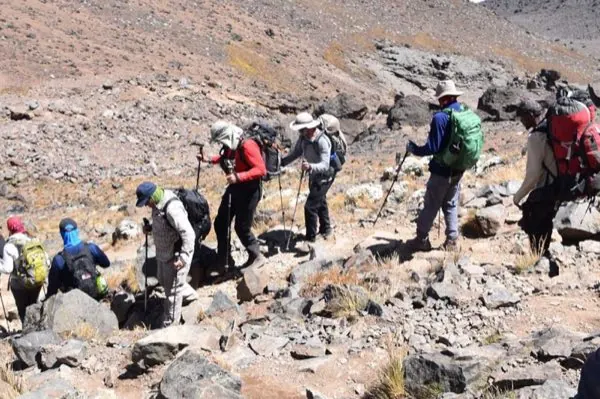
Two things get said about Kilimanjaro and they contradict each other. “Anyone can do it, it is just a walk.” And “it nearly broke me.” Both are accurate, which is confusing until you understand what the difficulty actually is.
What is easy about it
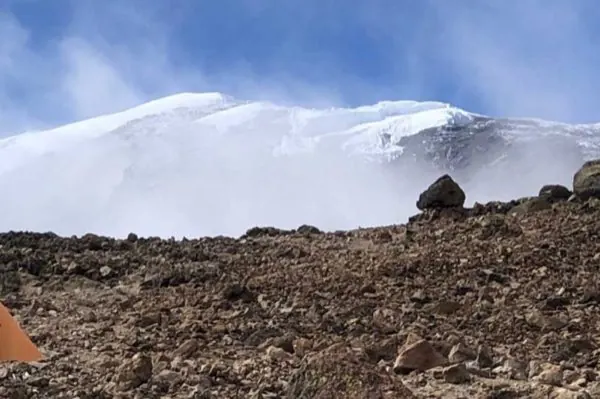
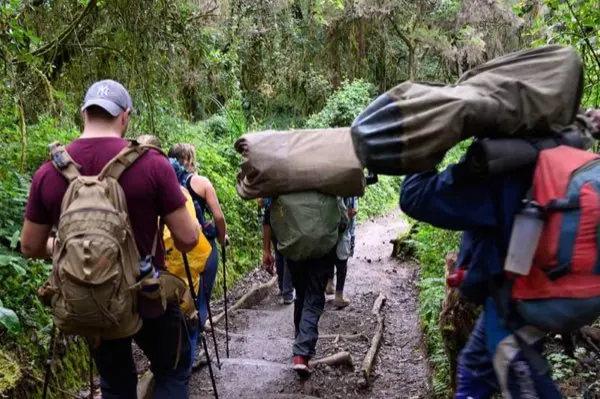
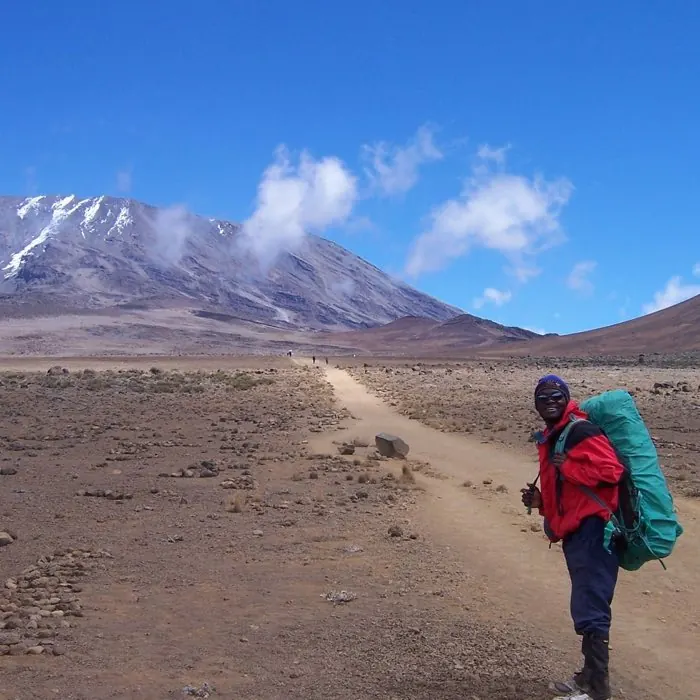
There is no climbing. No ropes, no ice axes, no exposure, no scrambling that would worry anyone with a head for heights. The paths are well made. You carry a daypack, not a full load. You sleep in a tent that someone else pitched, and eat food that someone else cooked.
What is hard about it
The altitude. At the summit there is roughly half the oxygen there is at sea level. Everything is slower and everything takes more effort.
The repetition. Six or seven days of walking, every day, whatever your legs think about it.
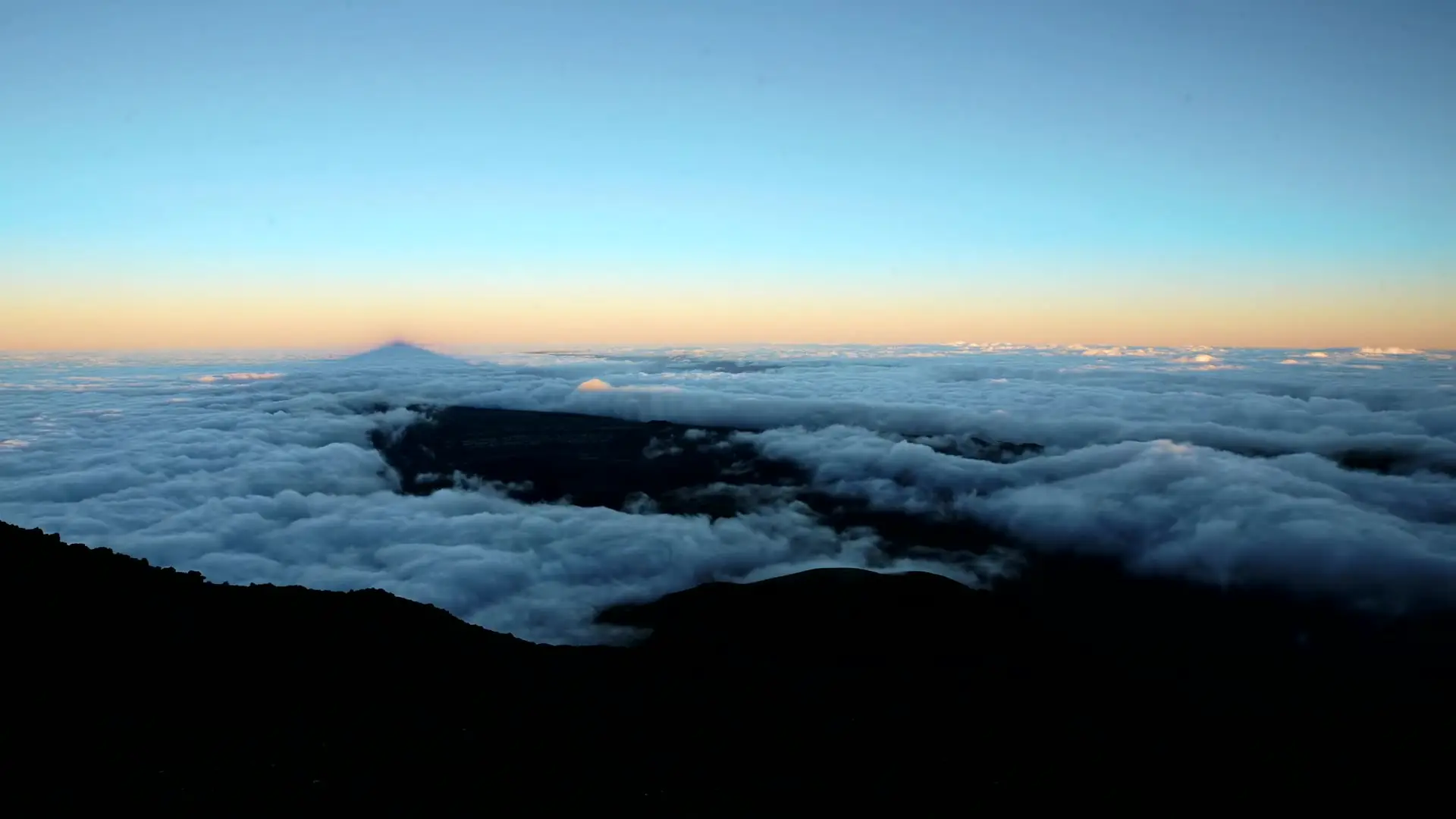
Summit night. You start around midnight, in the cold and the dark, and walk uphill for six or seven hours to reach the crater rim near dawn. Then you still have to come down. It is the longest day most climbers have had.
Sleeping badly. Altitude disrupts sleep. You arrive at summit night having not properly rested for several days.
The honest comparison
It is harder than a marathon in duration and easier in intensity. Nothing on any single day would trouble a reasonably fit walker at sea level. The difficulty is entirely in stacking those days on top of each other at height.
Who finds it hardest
Not who you would guess. Very fit people who walk too fast early often struggle later. People who insist on a short route struggle almost regardless. People who do not drink enough struggle every time.
Who does well
People who walk slowly on purpose, eat when told, drink more than feels sensible, and picked a route with enough days. That is genuinely most of it.