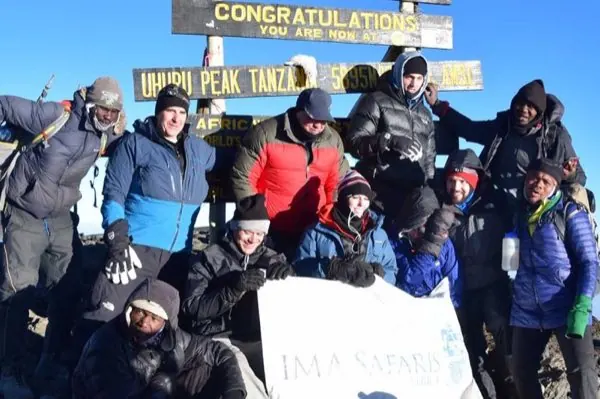
Mount Meru sits an hour from our office and most visitors never look at it, because it stands next to something taller. That is a shame, because it is a better mountain than its reputation and the single best preparation for Kilimanjaro there is.
Why climb Mount Meru before Kilimanjaro?
Because it takes you high enough to matter and gives you the days back. Spending a few nights at altitude before you start on Kilimanjaro is the closest thing to a shortcut that exists, and unlike a rest day in a hotel it actually does something. You also learn how your own body behaves when the air thins, which is useful information to have before you are committed to a longer climb.
What is the climb actually like?
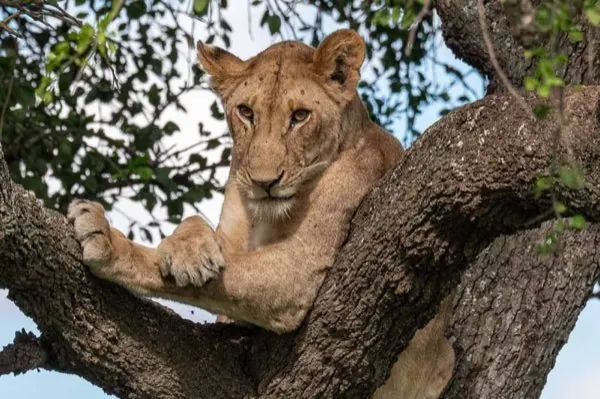
Three or four days, and it changes character completely as you go. The first day walks through Arusha National Park, on foot, with an armed park ranger, which is a requirement rather than a flourish. You are likely to pass giraffe, buffalo and warthog on the way in. It is the only trek we run where the wildlife is part of the walk.
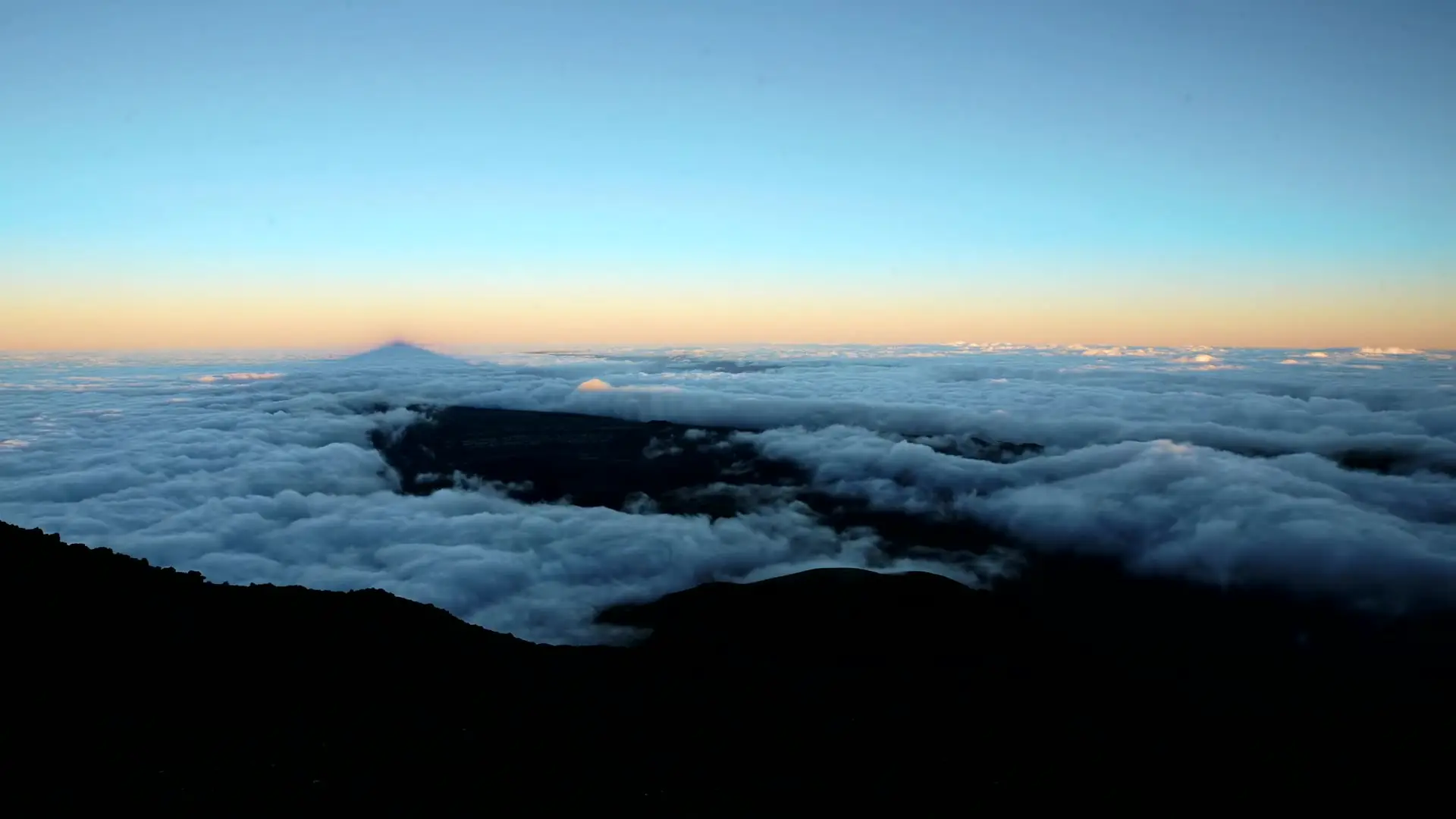
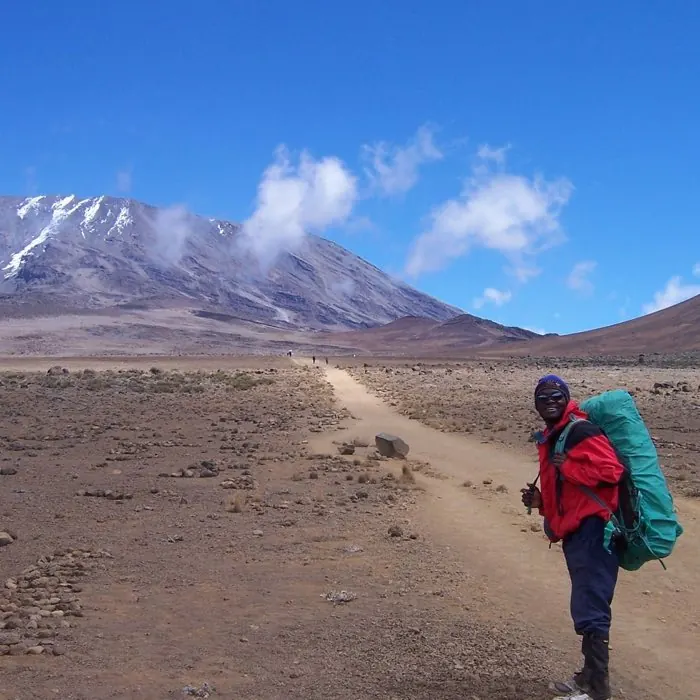
Higher up it becomes a mountain. The final section follows a narrow rim above the crater, with the ash cone on one side and a long drop on the other, and you walk it in the dark to reach the top at sunrise. On a clear morning Kilimanjaro is sitting there in the distance, which is either motivating or intimidating depending on your plans.
Is it harder than Kilimanjaro?
Steeper, shorter, and lower. The summit day is a real day out and the ridge asks for a head for heights that Kilimanjaro never does. But the altitude is more forgiving, and the whole thing is over in half the time.
Who should do it on its own?
Anyone with a week in Tanzania who wants a proper mountain and a couple of days of safari, rather than a fortnight and a summit certificate. It is quieter than Kilimanjaro, cheaper, and you will meet very few other groups.
If you are already planning Kilimanjaro, ask us how Meru fits in front of it. If you are not, ask us about it anyway.