The Serengeti is not one place. It is roughly the size of a small country, and where you stay inside it changes your trip more than almost any other decision you will make. This is the part most itineraries skip.
What does Serengeti mean?
The name comes from the Maa language of the Maasai, and is usually translated as endless plains. Stand anywhere in the south of the park in the dry season and the translation stops feeling poetic. The park is a UNESCO World Heritage Site and it connects across the border with Kenya’s Masai Mara, which is why the migration moves between the two.
Where should you stay inside the park?
This is the question to get right.
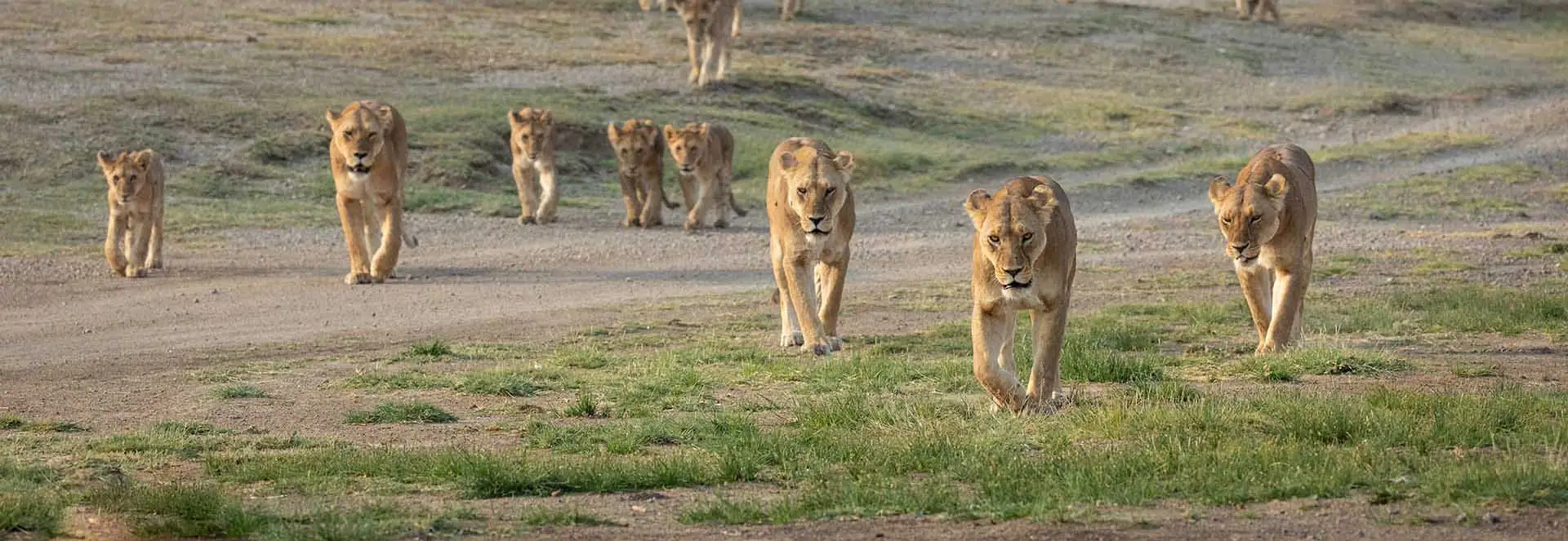
- Seronera, the central region. Year-round game and the highest concentration of big cats. The safe choice, and the busiest.
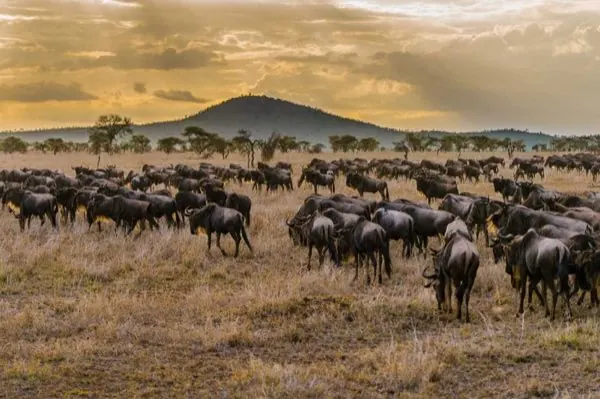
- Ndutu and the south. Open short-grass plains. This is where the herds calve in the new year, and it is the best place to be in that season.
- The western corridor. Follows the Grumeti river. Relevant when the herds are moving through, quiet the rest of the year.
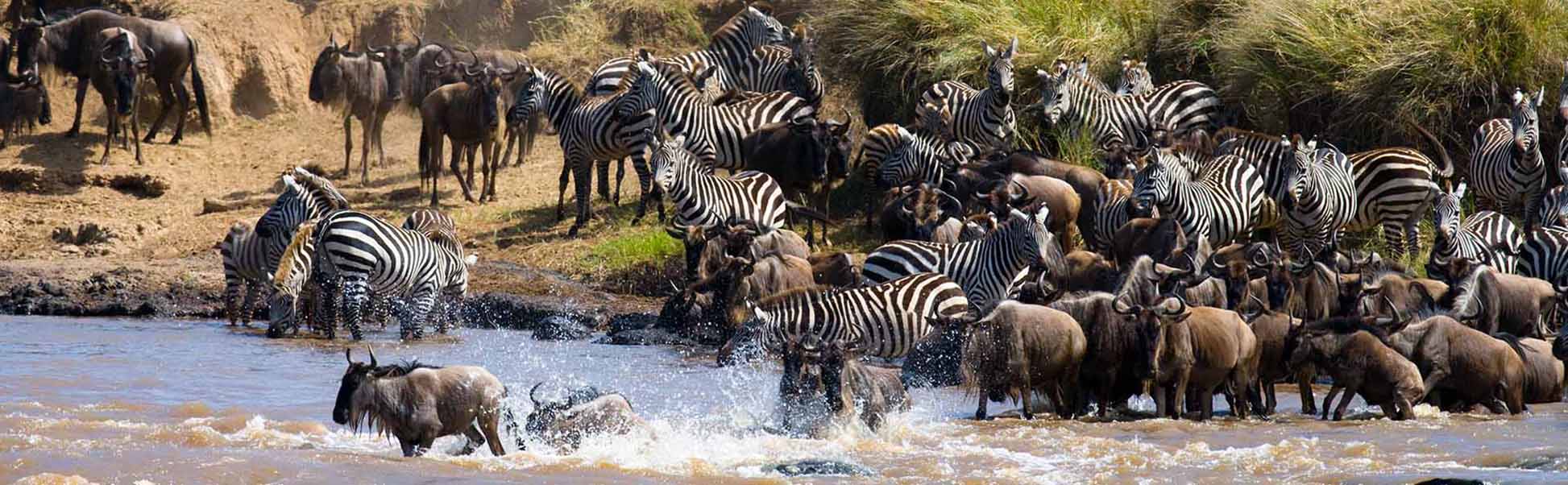
- The north. Remote, expensive to reach and where the Mara river crossings happen. Fewer vehicles, longer transfers.
Picking the wrong region for your month is how people end up driving four hours a day to find animals that were never where they were staying.
Where is the migration, by season?
Broadly, the herds move in a clockwise circuit and spend most of the year on the Tanzanian side. Calving happens in the southern plains early in the year. The herds move north and west as the grass dries. The dramatic river crossings come later in the middle of the year, in the west and then the north.
Two honest warnings. The migration is driven by rain, not by a calendar, so it runs early some years and late others, and nobody can promise you a crossing on a given date. And the migration is not the only reason to come: the resident predators, the giraffe, the hippo pools and the sheer emptiness are there all year.
How many days do you need?
Three nights inside the park is the minimum that justifies getting there. Two is a long drive for a short look. Four or five lets you settle into one region properly, or move between two. Beyond that, most people are better served adding Ngorongoro or Tarangire than adding more Serengeti.
How do you get there?
Two ways, and they suit different trips. By road from Arusha, which takes most of a day but takes you past Ngorongoro and Olduvai and shows you the country between the parks. Or by light aircraft to an airstrip inside the park, which turns that day into under an hour. Flying costs more and buys you a day; driving costs less and buys you the landscape. On a short trip we usually suggest driving in and flying out.
Dry season or green season?
The dry months make spotting easier, because the grass is short and animals gather at water. The green season brings the calving, dramatic skies, far fewer vehicles and lower prices, at the cost of longer grass and the occasional impassable track. Neither is wrong. Photographers often prefer the green season and say so.
What we would do
For a first visit: three or four nights, central or southern depending on the month, arriving by road and leaving by air, combined with Ngorongoro and Tarangire on either side. That is our standard northern circuit, and it is standard because it works.
Tell us your month and we will tell you where in the park to be, and where not to bother.