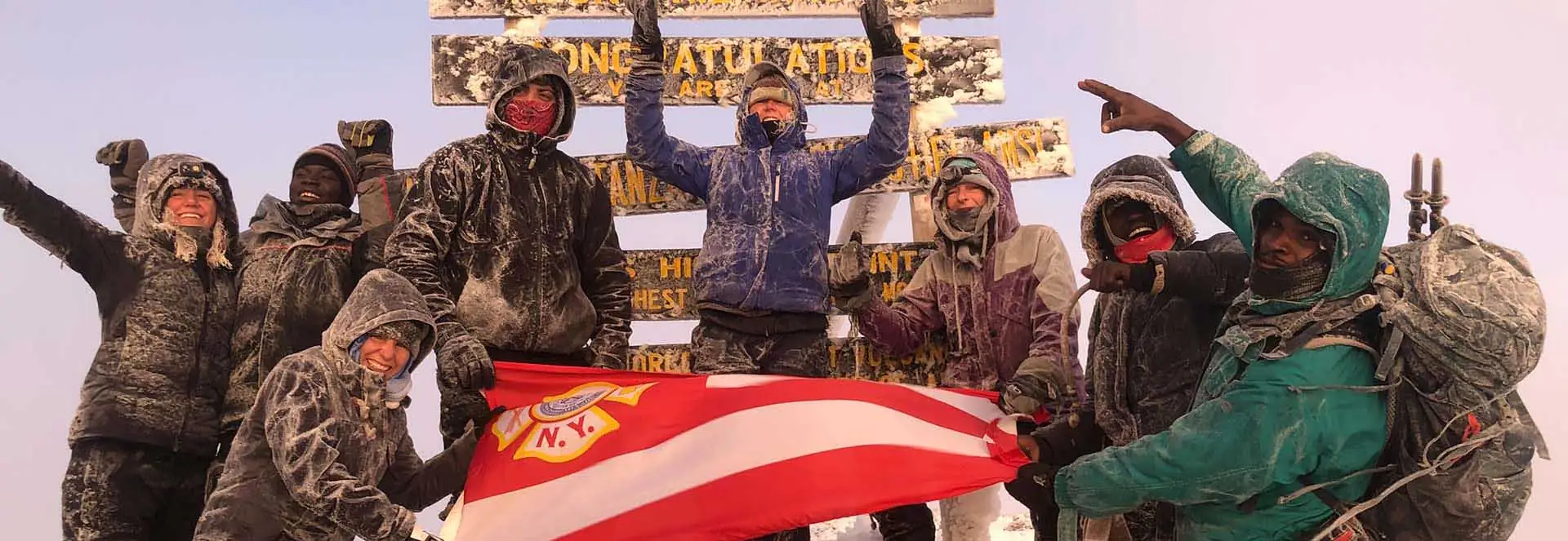
Every operator publishes a summit rate and none of them are audited. Ours is 95 to 98 percent across our own climbs. Take that, and everyone else’s, with the scepticism it deserves, then look at what actually drives the number.
Days on the mountain
This is the whole game. A five-day climb and a nine-day climb up the same mountain have completely different odds, because acclimatisation is a function of time and there is no way to hurry it. An operator selling short climbs will have a lower summit rate no matter how good the guides are.
Pace
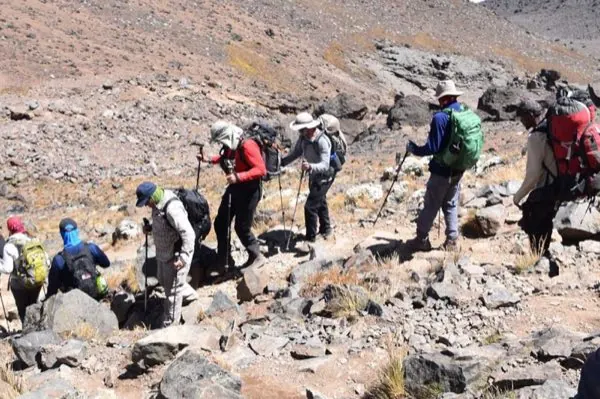
Pole pole is not a slogan. Walking slower than feels natural, from the first hour of the first day, is what lets your body keep up. The commonest mistake fit people make is arriving at camp fast on day one and struggling on day four.
Drinking and eating
Three to four litres of water a day, and eating when you do not feel like it. Altitude kills appetite exactly when you need the calories. A good crew notices when you have stopped eating and says something.
Whether anyone is watching you
Daily health checks, a pulse oximeter, and guides trained to spot the difference between someone who is tired and someone who is developing a problem. That is the part you cannot see when comparing quotes, and it is the part that matters most.
What does not decide it
Being young. Being an athlete. Having done a marathon. Altitude does not care much about any of these, and it is why gym-fit twenty-somethings turn back on a mountain that a careful sixty-year-old walks up.
The question to ask
Not “what is your success rate?” but “how many days is your standard route, what is your guide-to-climber ratio, and what happens if I get sick at 4,600 metres?” The answers tell you far more than a percentage on a website.