Most of our travellers end on the coast, and none of them have regretted it. The combination works because the logistics are genuinely easy: light aircraft link the safari circuit to Zanzibar daily.
Why this order
Safari first, beach second. A safari has early mornings and long drives; a climb even more so. Zanzibar is the exhale. Doing it the other way round means starting relaxed and ending exhausted, which is a strange way to build a holiday.
Getting there
From the northern parks you fly out of a bush airstrip, often straight from the Serengeti, and are on the island the same day, usually with a stop or plane change along the way. From Arusha it is a short hop. Either way you trade a two-day drive for a morning in the air, and the flights over the crater highlands are part of the show.
How many days
Four nights is the sensible minimum; a week is better. Fewer than that and you spend a meaningful share of your beach time in transit. After a Kilimanjaro climb specifically, a full week is the right prescription: your legs will thank you on day three.
Which part of the island
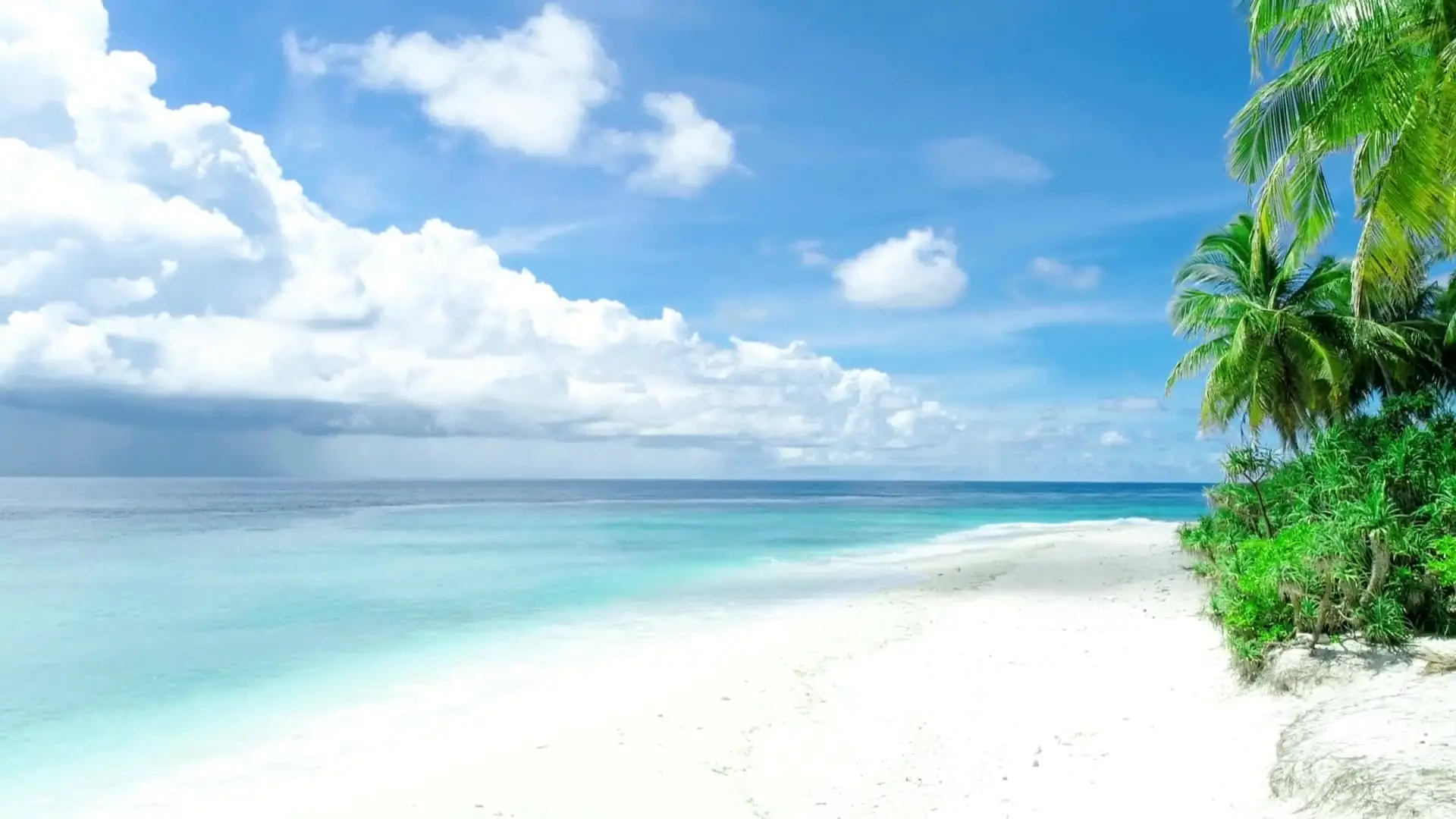
- The east coast has the postcard beaches and the tides that go out a very long way. Great for kitesurfing and long walks on the flats.
- The north around Nungwi swims at all tides and has the liveliest evening scene.
- Stone Town deserves a night or two at the start: the old streets, the market, the history, before the beach slows your pulse too far to enjoy a city.
What to actually do there
A spice-farm tour that explains half the island’s history, snorkelling off Mnemba, a dhow at sunset, seafood grilled the same day it was caught, and long stretches of absolutely nothing, which after a safari is the point.