Children are often better on safari than adults are. They spot things, they are not pretending to already know what a dik-dik is, and they have no professional interest in looking unimpressed. The difficulty is never the wildlife. It is the driving.
What age works for a safari?
Broadly, from around six upwards a child gets a great deal out of it, and by ten they are properly engaged. Younger than that can absolutely be done, but plan a shorter, slower trip with fewer parks and more time in one place. The limiting factor is patience in a vehicle on a rough road, not danger.
What actually makes a family trip work?
- Fewer parks, more nights each. Two parks done properly beats four done from a car seat.
- A private vehicle. You can turn around, stop, or go back to the lodge at eleven if it is not working. On a shared vehicle you cannot.
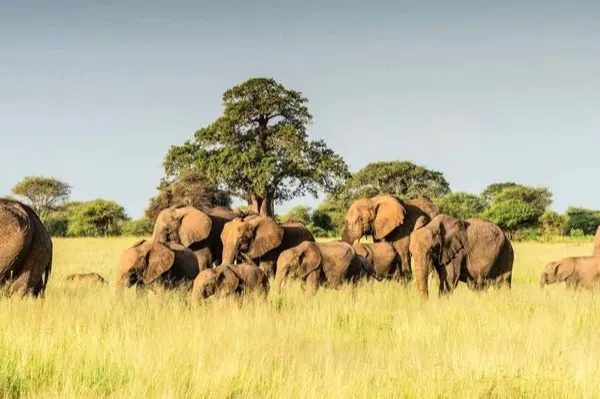
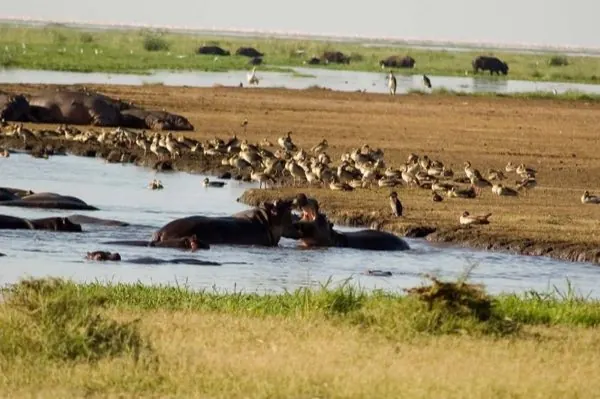
- Short driving days. Tarangire, Lake Manyara and Ngorongoro sit close together, which is why we suggest them for families.
- Something that is not a game drive. A walk, a village visit, a pool in the afternoon. Nobody needs six hours of looking.
Is it safe for children?
Yes, with the same rules everyone follows: stay in the vehicle unless the guide says otherwise, and do not lean out. The realistic health questions are the everyday ones, sun, water and mosquitoes, and a travel clinic will talk you through malaria precautions for children specifically, which is a conversation to have with a professional rather than with us.
What about Kilimanjaro with teenagers?
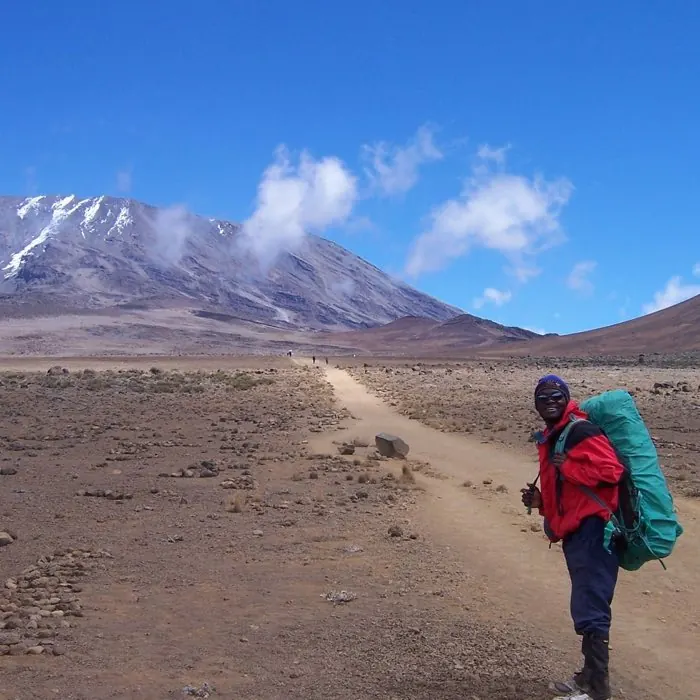
Kilimanjaro has a minimum age and altitude is harder to read in a young body, so this is a case where we will ask questions before we agree rather than after. Mount Meru or a few days walking in Arusha National Park is often the better answer for a family that wants a mountain.
Tell us the ages and how long you have, and we will be honest about what will be enjoyable rather than merely possible.